Overview
Methane has been overlooked for too long in efforts to address climate change. It is a potent greenhouse gas with more than 80 times the warming power of CO2 in the first 20 years after emission. At least a quarter of global warming is driven by methane emissions, but urgent action to tackle methane emissions could have a cooling effect, and will be critical to limiting global warming to 1.5 degrees.
Cutting overall methane emissions
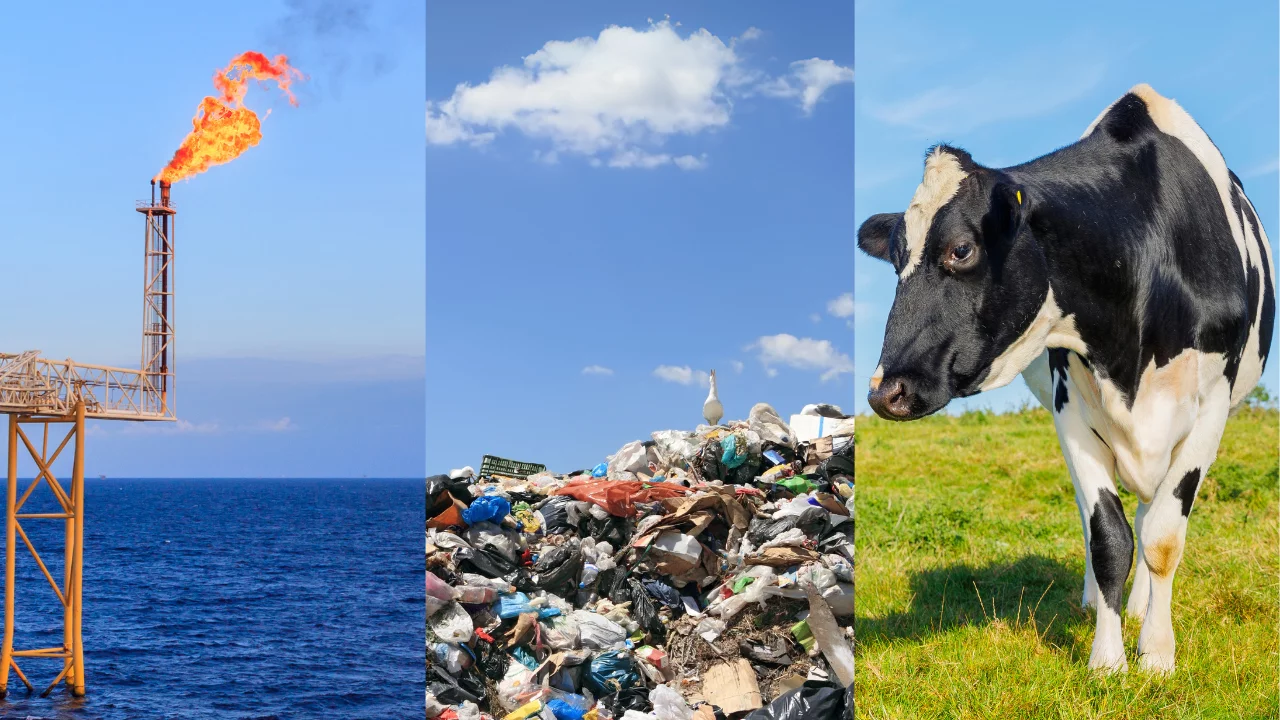
At COP26 in Glasgow the UK helped launch the Global Methane Pledge, with the goal to cut methane emissions by 30 per cent by 2030. Today, methane emissions come mainly from three sectors: agriculture, energy and waste, so the purpose of this work is to show how the UK can meet the methane reduction target with feasible, low-cost actions across each of them.
Throughout the below work, we made the case for a national methane action plan ahead of COP30 in 2025 to pull the “climate emergency brake” this decade. That plan has since been published, and our focus is now on encouraging the government to deliver on its promises and raise its ambition both domestically and on the international stage.
Publications
The climate emergency brake: an ambitious plan to cut UK methane emissions
Reducing methane emissions is the fastest way to address global warming, but the UK is off track in its goal to bring them down. In this report, we highlight low-cost interventions across waste, agriculture and energy that could help the UK exceed its pledge target, cutting methane by up to 37% by the end of the decade.
The Global Methane Pledge: how the UK can meet its commitment
A year has passed since the UK signed the Global Methane Pledge at the COP26 climate conference in Glasgow. However, the UK government has made little headway in showing how it will cut methane emissions to meet its 30 per cent reduction target. In this report, we outline how the UK can reduce methane emissions by 43 per cent this decade with a menu of low cost policies.
Why the UK should do more to cut methane emissions
The COP28 climate summit will be a chance for the UK to demonstrate leadership and act on methane. An ambitious methane action plan would help to restore the UK’s former climate credibility. In this short report we show what the UK should do and why.
What is biogas and what are the risks in expanding production?
Biogas and biomethane offer a dual opportunity: capturing methane that would otherwise escape from agricultural and food waste, while providing a lower carbon alternative to imported fossil gas. The UK’s Green Gas Support Scheme is driving growth in biogas production, but expanding the sector without stronger safeguards risks undermining its benefits to the environment.
In March 2026 we released two briefings to raise the profile of biogas policy, explore the risks with expanding production and offer solutions to these risks. Read them below.
How much action is actually in the UK’s Methane Action Plan?
In this briefing, we evaluate whether the UK’s new Methane Action Plan ambitious enough by assessing the plan’s strengths and weaknesses, comparing the UK’s methane reduction targets to other countries and identifying missed opportunities for deeper emissions cuts.
The invisible threat of ozone
In this briefing, we examine the overlooked connection between methane emissions and air pollution, quantify the health impacts of ozone derived from methane and outline urgent policy recommendations.
Why methane and how it’s measured matters
Methane is a potent greenhouse gas, 80 times more powerful than CO2 over a 20 year period. Urgent action to cut methane emissions is needed as an emergency brake on global warming. However, there are some voices and organisations using inaccurate or misleading claims about methane emissions, or the way they are measured, to spread confusion or delay action.
In this briefing, we outline some of these false narratives and explains exactly why they are misleading.
Podcasts and blogs
Countdown to COP29: why methane matters
In this podcast, we sat down with Jennifer Pedraza, a research associate at Stockholm Environment Institute, to discuss the need to raise ambition on methane ahead of the United Nations Climate Change Conference in Baku, Azerbaijan (COP29).
The conversation offers both domestic and international perspectives on the increased leadership required to tackle methane emissions. From the bold steps needed to develop methane roadmaps in Latin America to the key announcements we hope to see from global leaders in Baku, this episode is a must-listen for anyone engaged in climate policy and discussions surrounding COP29.
Tackling methane from oil and gas
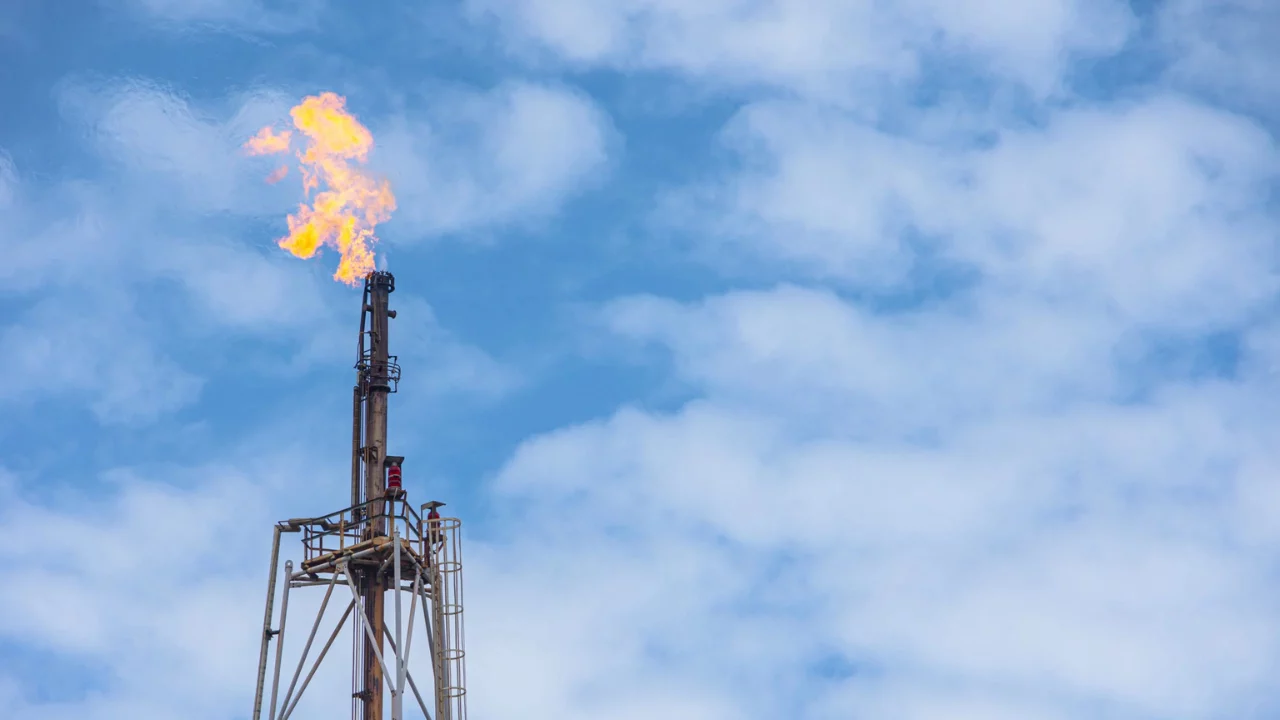
Methane emissions from the energy sector fell with the closure of coal mines and improvements to gas networks. However, some oil and gas operators may be significantly under reporting methane leaks, and further reductions in this sector are highly cost effective. Additionally, flaring and venting practices continue without appropriate deterrent measures, wasting a valuable economic resource while adding a highly polluting gas to the atmosphere.
Publications
The climate blind spot: a case for taking a closer look at methane
Evidence suggests methane emissions from UK oil and gas extraction are being routinely under reported because operators base reports on estimates, not direct measurement. This raises serious questions about the persuasive claim made by the industry that UK oil and gas is cleaner and greener than imports. In this story, we explore the evidence around this hidden issue and what needs to be done about it.
Recommendations for Methane Provisions in the Energy Independence Bill
Green Alliance worked with Clean Air Task Force, the Environmental Investigation Agency and the Institute for Governance and Sustainable Development on recommendations for tackling methane through the Energy Independence Bill. They include mandatory measurement-based monitoring, statutory leak detection and repair, putting the 2030 venting and flaring ban into law and methane standards for imported gas. The evidence shows these rules would cut emissions and keep more gas in the system at minimal cost, without raising energy bills.
Wasted North Sea gas undermines calls for more UK drilling
UK North Sea operators are venting and flaring enough gas each year to heat 570,000 homes, wasting over £300 million of value and pumping methane into the atmosphere for no productive purpose. The technology to stop it has existed for decades. The will has not.
In this briefing, we examine the continued routine flaring and venting across the North Sea, identifying the worst offending platforms and making the case for bringing the ban forward ahead of a parliamentary opportunity in the upcoming Energy Independence Bill. While debate intensifies over new drilling, the case for expanding extraction is hard to make while operators are allowed to waste what they already produce.
North Sea operators waste gas worth millions through continued venting and flaring
Oil and gas companies operating in the North Sea wasted enough gas to heat over 700,000 homes in 2023, enough to supply every home in Kent and representing a lost market value of £250 million.
Operators pay tax on the resources they bring to UK shores, but the gas they release straight into the atmosphere is not taxed as it is in other countries like Norway. Since natural gas is mostly methane, a potent greenhouse gas, this is both an economic waste and a significant source of untaxed pollution and climate harm.
In this briefing we outline three ways the UK could tackle this problem.
The problem of hidden methane leakage from North Sea oil and gas operations
Although methane is less persistent than CO₂ in the atmosphere over the longer term, it is over 80 times more potent over a 20 year period.
Our analysis of the data from eight North Sea oil platforms has found that operators may be under reporting their methane emissions (particularly from leaks) by a factor of 11 on average and, in some cases, emissions may be up to 70 times higher than the government reports.
The North Sea super polluters
The government is refusing to bring forward a ban on routine flaring and venting in the North Sea. As well as being highly polluting and contributing to climate change, this is a scandalous waste of gas. Our analysis of data from the North Sea Transition Authority suggests that requiring companies to clean up their act sooner could bring more gas to market than might be lost by closing down the most polluting sites.
Events
Webinar: Will COP28 lead to action on North Sea methane emissions?
On 21st November 2023 Green Alliance hosted a webinar addressing the methane emissions from the UK’s North Sea activities, how they compare to those in Norway, and whether we can expect COP28 to lead to significant progress on methane mitigation.
Managing methane in agriculture
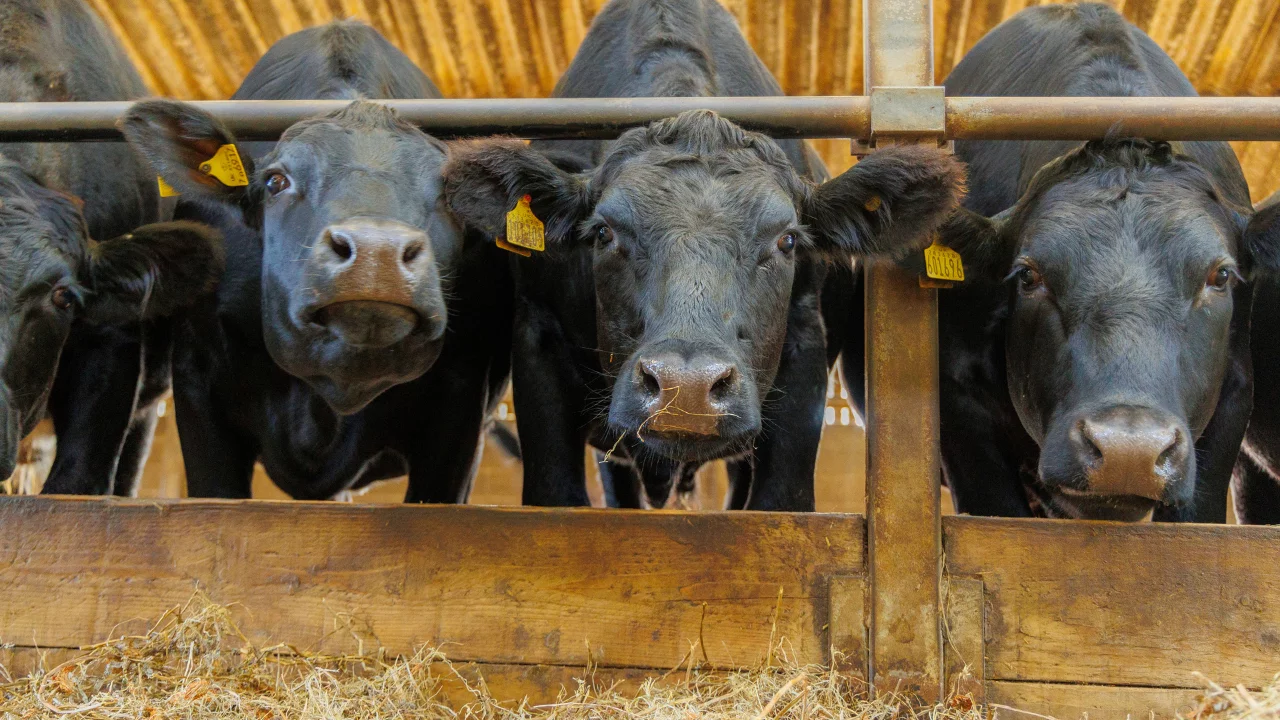
Methane emissions from agriculture, forestry and land use have only fallen by 12 per cent since 1990. In our research, we propose pathways to support farmers and land owners to reach cuts closer to 25 per cent by 2030.
Publications
The meat of the matter: what does the trend in lower meat consumption mean for UK livestock farmers?
In this policy insight, we examine the relationship between diet change, meat production and farm viability in the UK, drawing on recent trends in consumption, production and profitability. We argue that well designed land and farming policies can reduce climate and nature impacts while supporting more resilient livestock businesses.
English farmers are at risk of being left behind in tackling methane emissions
In this briefing, we argue that the government should support farmers to use methane suppressants through the existing Sustainable Farming Incentive programme.
Targeting methane emissions from biodegradable waste
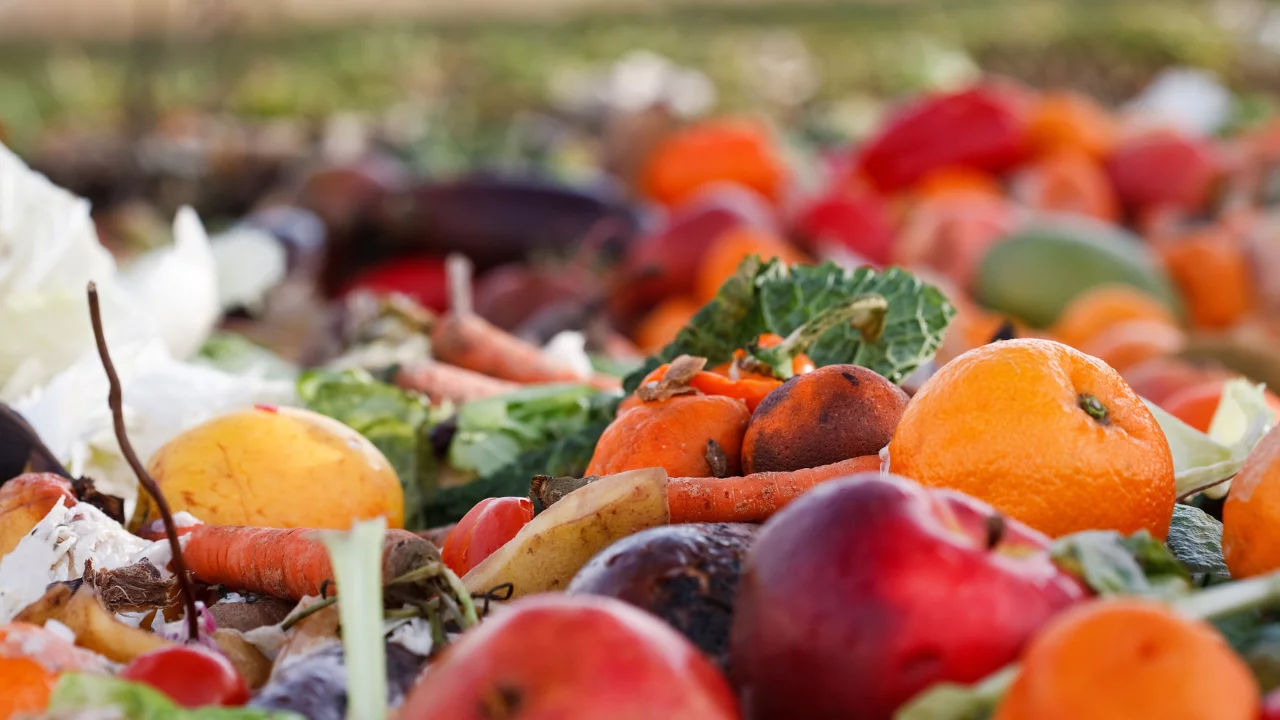
The landfall tax has reduced the total volume of waste sent to landfill since 1996, cutting methane emissions significantly, alongside subsidies for renewable electricity generation from landfill gas. Our research highlights the risk that methane emissions from biodegradable waste could increase when those subsidies end.
Publications
Landfill methane emissions: the impact of losing the renewable electricity subsidy
The Renewable Obligation Certificate (ROC) scheme is set to end in 2027. Without it, operators may reduce gas capture from landfill sites, leading to a sharp rise in methane emissions and a loss of low carbon power equivalent to the needs of over a million homes.
This briefing outlines the urgent need for government action to extend or replace the ROC scheme, invest in landfill gas innovation and publish a National Methane Action Plan.
Related content
View AllThe climate emergency brake: are we acting fast enough on methane?
5 November, 2026
Weather check: can the UK take the heat?
29 September, 2026
Is cutting EV targets a good idea? Exploring what weakening the UK’s biggest climate policy would mean
1 October, 2026
How to get Britain climate ready: views from across the political divide
8 September, 2026