Hydrogen has been dubbed critical for a low-carbon economy, but it is no panacea for achieving net zero. Green Alliance is researching hydrogen to cut through the hype and ensure its deployment is strategic, efficient and cost-effective.
While hydrogen burns cleaner than fossil gas, direct electrification is often more efficient and affordable method for decarbonising. Hydrogen is prone to leaking. When it does, it has a significant warming effect on the atmosphere, such that if hydrogen leakage rates exceed 19 per cent, its climate impact over 20-years may be higher than that of burning natural gas
Our research therefore aims to steer government policy toward a “demand-led” approach that prioritises hydrogen only where other decarbonisation methods are not possible.
Publications and briefings
Hydrogen’s role in a clean power economy
In this report, we outline the current state of the UK’s hydrogen economy and the factors that will shape its future. We explain how hydrogen is produced (grey, blue and green), the challenges of transport, storage and leakage, and how the government’s Hydrogen Production Business Model works to stimulate domestic production. We present a hierarchy of hydrogen uses, identifying where it’s genuinely necessary and where electrification should be prioritised instead.
Why the government’s upcoming Hydrogen Strategy should focus on demand
The 2025 hydrogen strategy provides an excellent opportunity for a reset on policy. In this briefing, we explore why it must now focus on hydrogen demand, ensuring we target its most economical and efficient use and limit risks of wider environmental harm from leaks.
Should the UK confine hydrogen to industrial clusters or develop national pipelines?
In this briefing, we outline the significant risk posed by hydrogen leakage, and resultingly, why co-locating should be pursued over a major pipeline network. The levelised cost of green hydrogen production (made with renewable energy) is similar for both co-location and pipeline networks.
Related content
View AllWeather check: can the UK take the heat?
29 September, 2026

Is cutting EV targets a good idea? Exploring what weakening the UK’s biggest climate policy would mean
1 October, 2026
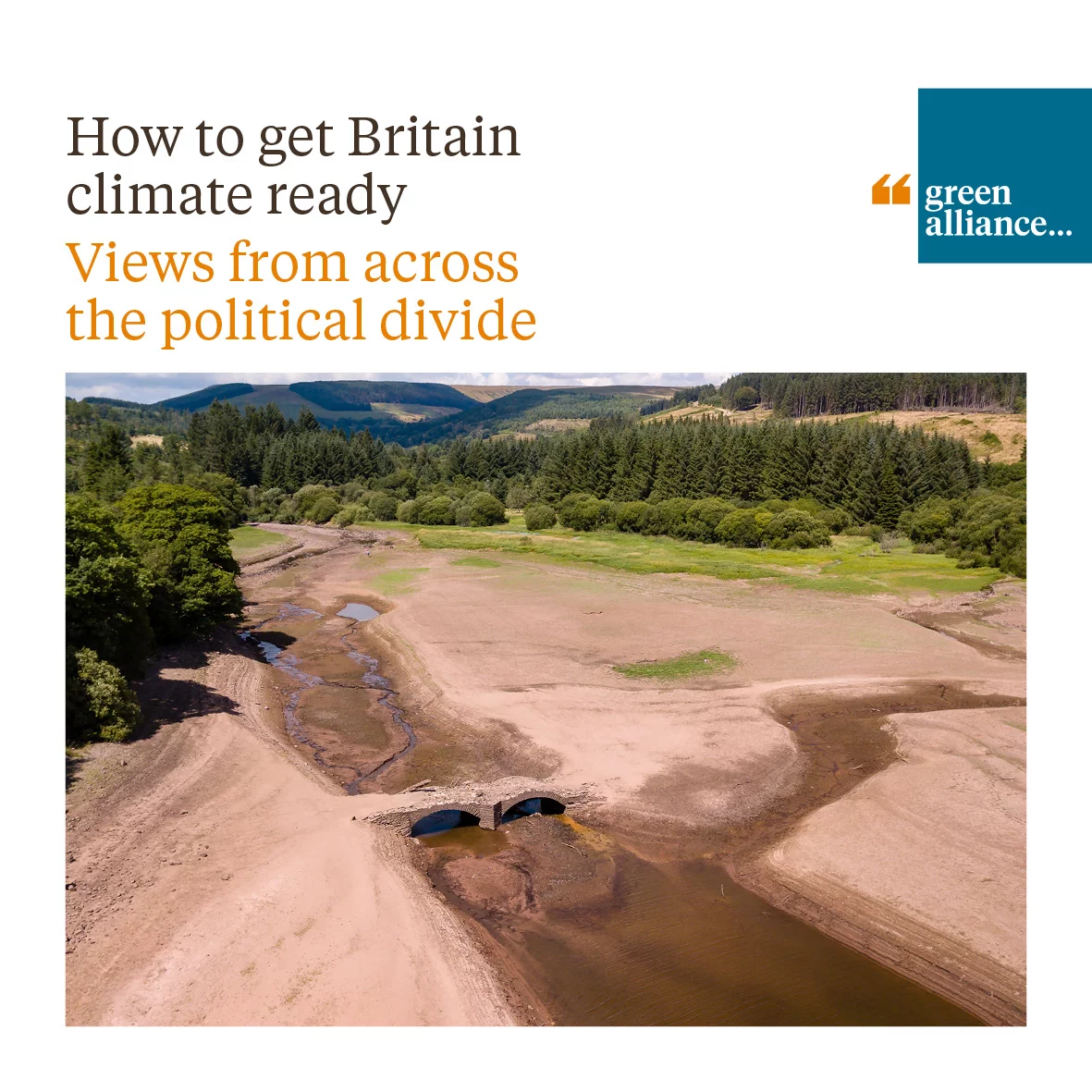
How to get Britain climate ready: views from across the political divide
8 September, 2026
Who pays the price for extreme heat? The case for government action
8 September, 2026