Overview
Digital exclusion is being unable to access and use the internet to benefit from digital. This issue, caused by insufficient access to devices, poor connectivity, and a lack of digital skills, will still affect 5.8 million people in the UK by 2032 if no action is taken. At the same time, the UK is the second worst in the world for generating e-waste, with 30,000 usable electrical products recycled needlessly each week and 880 million unused items sitting in “drawers of doom” in UK homes. Meanwhile, community organisations that redistribute devices to those in need report a desperate shortage.
Despite the clear link between digital exclusion and e-waste, policymakers are yet to grasp the opportunity to tackle these issues together. Our one-year project aimed to change this. By conducting expert interviews and collecting case studies from those on the ground, we showed how new policy on digital inclusion and the circular economy that diverts usable electronics from the e-waste stream to redistribution schemes can tackle both crises.
This project was funded by Hubbub and Virgin Media O2 Time After Time E-waste Fund.
Making the connection: ending digital exclusion with reused devices
This report examines the barriers to device redistribution through insights gathered from interviews with over 25 organisations in the field. The findings highlight that due to a lack of policy to support redistribution efforts, there is still an insufficient supply of suitable devices to meet demand. To address these challenges, the report proposes targeted measures to encourage the mainstream adoption of the practice.
Unlocking digital inclusion: what comes after the IT reuse for good charter?
This episode explores the government’s new IT reuse for good charter and the broader Digital Inclusion Action Plan, which aim to get unused devices into the hands of those who need them most. The discussion features highlights the scale of the UK’s e-waste problem, the persistent digital divide and the critical role of device redistribution in addressing both challenges.
Related content
View AllPeople want to end the throwaway economy: Andy Burnham should take note
9 July, 2026
Who loves the circular economy?
24 February, 2026
Video series | Five reasons people love the circular economy
8 December, 2025

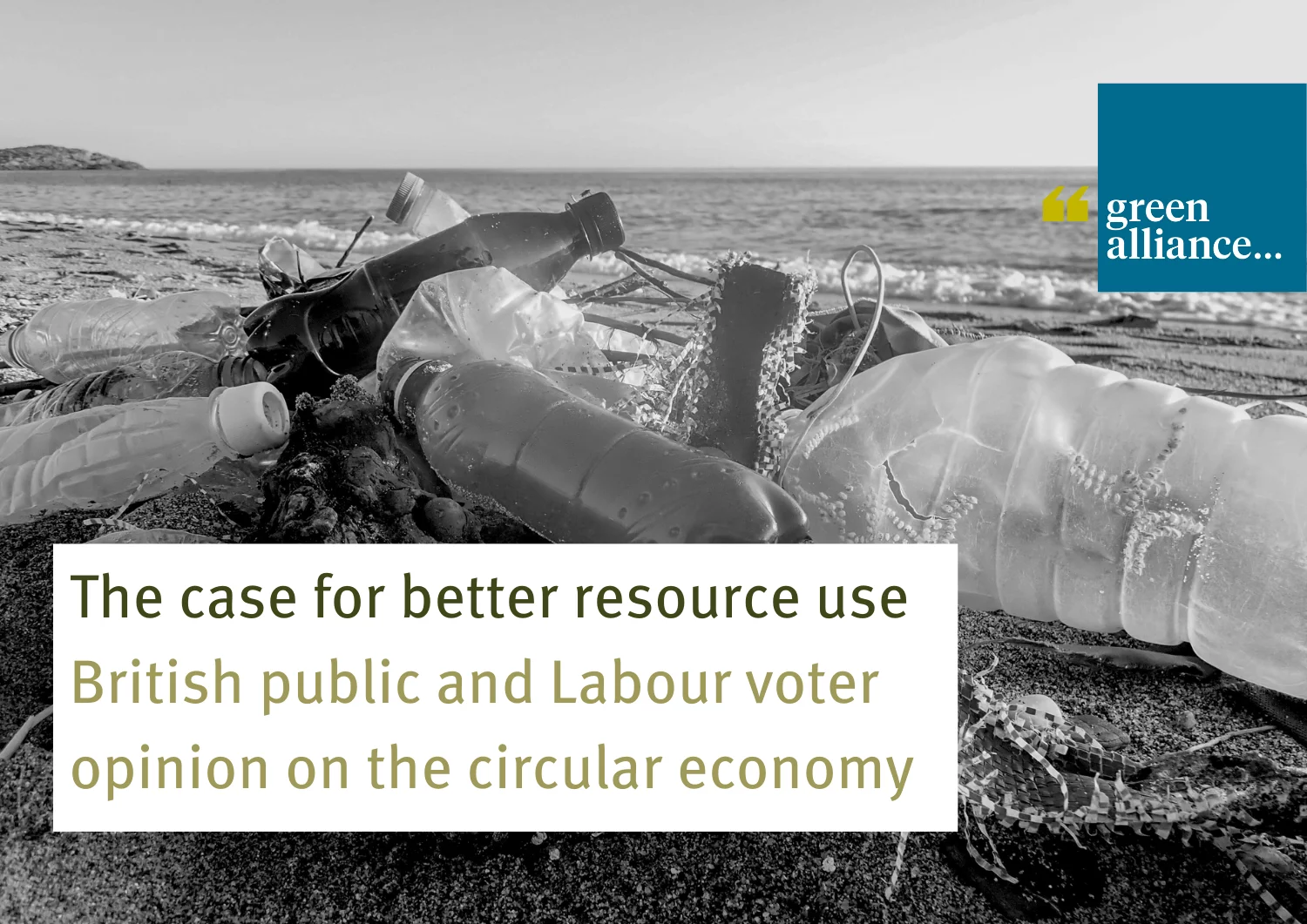
The case for better resource use: British public and Labour voter opinion on the circular economy
12 August, 2025